Fluidguard Machinery Equipment Co., Ltd. amy@aida-machinery.com
Call Us : 0086-15137376132
Fluidguard Machinery Equipment Co., Ltd. amy@aida-machinery.com

Call Us : 0086-15137376132
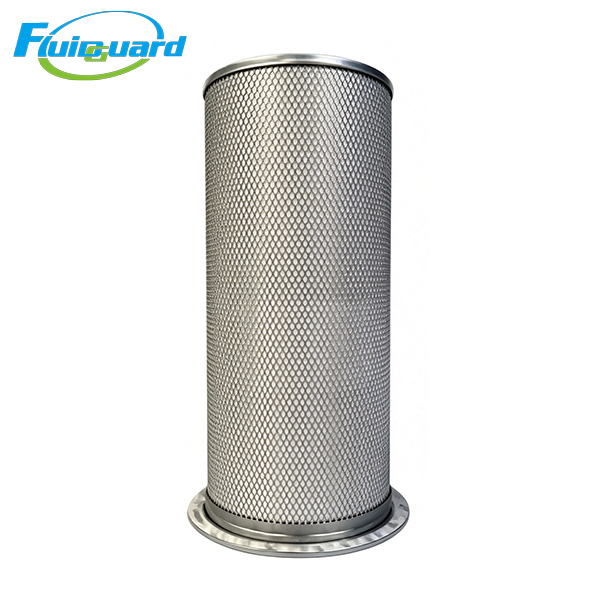
Model : 6.3760.0
Type : Oil Separators Filters
Replacement for : 6.3760.0
Automotive component electrostatic spraying workshops, metal cutting & welding factories, plastic injection molding production lines, food & beverage sterile packaging pneumatic systems, textile factory compressed air supply, small & medium pharmaceutical aseptic production gas supply, general machi
Part numbers marked "replacement" are not affiliated with the original manufacture.
Fluidguard is a technology-based enterprise integrating industry and trade, with strong technical strength and production capacity.
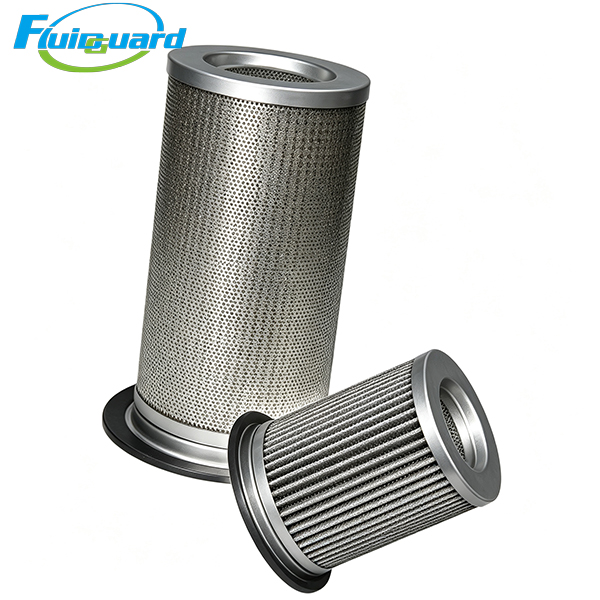
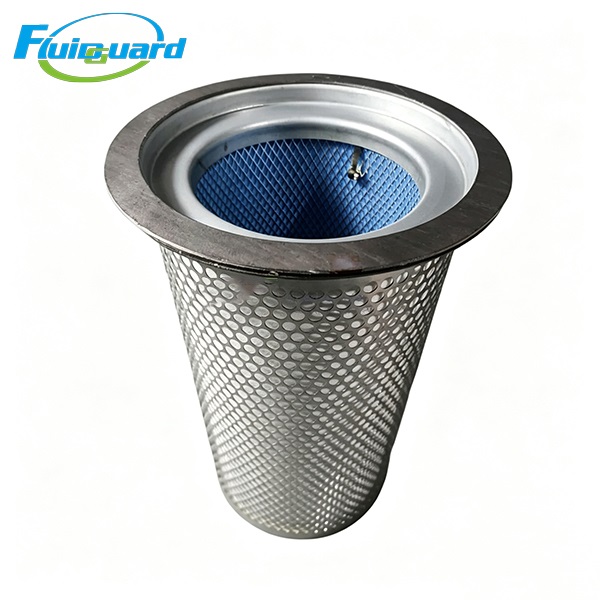
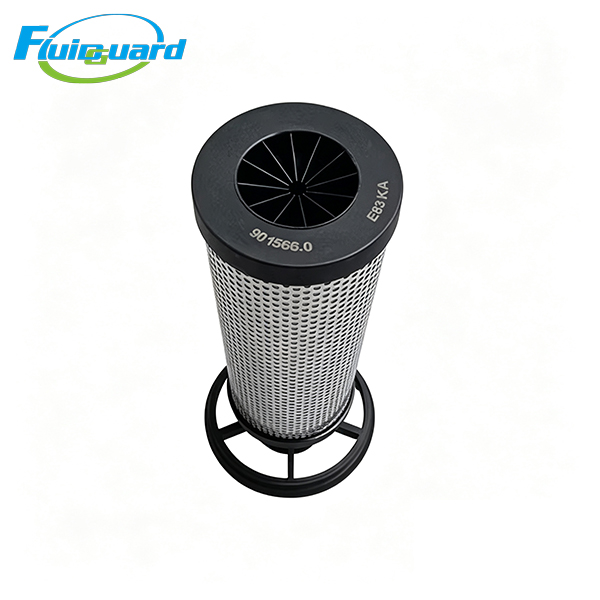
Part No: 6.3760.0
Core Technical Specifications
Oil Mist Capture Efficiency: 99.98% interception rate for oil particles ≥0.1 μm
Outlet Compressed Air Residual Oil Content: ≤3 ppm, meets ISO 8573-1 Class 3 industrial clean air standard
Max Continuous Working Pressure: 1.0 MPa
Continuous Operating Temperature Range: -10°C ~ 120°C
Mandatory replacement trigger: Differential pressure ΔP ≥ 0.08 MPa or visible oil carryover in downstream air pipeline
Initial pressure drop of brand-new separator: ≤0.02 MPa
Alarm replacement differential pressure: ΔP ≥ 0.08 MPa
Outer Support Jacket: Perforated galvanized steel mesh, anti-rust coating to resist high-temperature oil vapor and acidic condensate erosion inside tank
Inner Central Support Tube: Thickened perforated steel core, anti-collapse under airflow pressure surges
Mounting Flange & Gasket: Integrated stamped steel flange, heat-resistant fiber composite full-face sealing gasket, zero air/oil bypass leakage
Built-In Oil Return Pipe: Central drain channel collects coalesced liquid oil and refluxes back to tank oil sump to avoid secondary oil re-entrainment
Air-Oil Separation Working Principle
High-temperature oil-air mixed gas discharged from screw rotors enters the outer cavity of the separator element. Large oil droplets collide with outer steel perforated jacket and drop into the oil tank via gravity for primary coarse separation.
Fine submicron oil mist aerosols penetrate multi-layer gradient glass fiber media; tiny oil particles collide, aggregate and coalesce into continuous liquid oil films on fiber surfaces.
Coalesced liquid oil flows downward along media layers, converges into the central built-in oil return tube, and refluxes back to the oil sump for circulation reuse.
Clean low-oil compressed air (residual oil ≤3 ppm) passes through the inner core support tube and flows out of the oil tank to downstream air treatment equipment and production terminals.
When media is fully saturated with carbon sludge and oil deposits, differential pressure rises sharply; excessive pressure difference may crack glass fiber media and cause massive oil carryover fault.
Application Scope
Automotive component electrostatic spraying workshops, metal cutting & welding factories, plastic injection molding production lines, food & beverage sterile packaging pneumatic systems, textile factory compressed air supply, small & medium pharmaceutical aseptic production gas supply, general machinery processing pneumatic tool stations.